
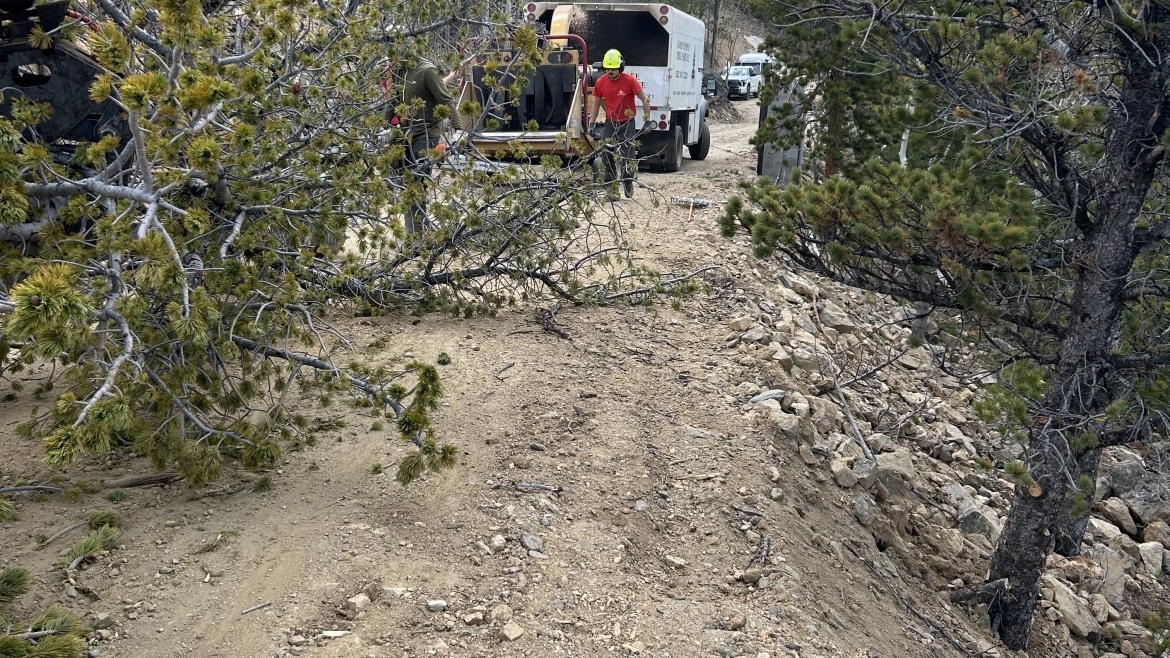
Tree pruning is one of the most important parts of long-term tree care in Colorado. Proper pruning helps improve structure, reduce storm damage risk, and support healthy growth. However, timing matters. Pruning at the wrong time of year can stress trees, weaken growth, or increase vulnerability to disease and environmental damage.
Understanding when you should prune trees in Colorado helps homeowners protect tree health while improving safety and appearance.
Why Tree Pruning Timing Matters
Colorado’s climate creates unique challenges for trees. Dry conditions, temperature swings, strong winds, and heavy snow all affect how trees grow and recover from pruning.
Different tree species also respond differently depending on the season. Some trees tolerate pruning well during dormancy, while others may be more vulnerable during active growth periods.
Pruning at the right time helps trees recover more efficiently and reduces unnecessary stress.
Late Winter Is Often the Best Time for Pruning
So when should you prune trees in Colorado? For many tree species in Colorado, late winter is considered the ideal time for pruning. This usually falls between late January and early March before active spring growth begins.
During dormancy:
- Trees are under less stress
- Branch structure is easier to see
- Disease activity is often lower
- Trees recover more effectively in spring
Pruning during this period also helps encourage strong new growth once temperatures begin warming.
Many structural pruning projects are scheduled during the dormant season for these reasons.
Spring Storm Preparation Is Important in Colorado
Colorado’s Front Range communities often experience strong spring storms and heavy, wet snow. Weak or overextended branches are more likely to fail during these events.
Preventative pruning before storm season helps reduce risk by:
- Removing deadwood
- Reducing excess canopy weight
- Improving branch spacing
- Supporting better structural balance
Proper pruning can significantly reduce the likelihood of storm-related branch failure.
Summer Pruning May Be Used for Specific Situations
Summer pruning is sometimes recommended depending on the tree and the goal of the work.
Light pruning during summer may help:
- Remove damaged limbs
- Improve clearance
- Correct minor structural issues
- Reduce hazardous branches
However, excessive pruning during hot, dry weather can increase stress on trees already dealing with drought conditions.
Because Colorado summers are often dry and intense, large-scale canopy reduction is usually avoided during peak heat periods unless necessary for safety.
Fall Is Usually Not Ideal for Major Pruning
In many cases, fall is considered one of the less desirable times for heavy pruning.
During autumn, trees are preparing for dormancy. Major cuts may not heal as efficiently before winter weather arrives. Moisture and temperature fluctuations can also increase stress.
Light cleanup pruning may still be appropriate, especially for damaged branches. However, large pruning projects are often delayed until winter dormancy when possible.
Dead or Hazardous Branches Should Be Removed Anytime
Safety concerns override seasonal timing.
If a tree has:
- Broken limbs
- Hanging branches
- Storm damage
- Deadwood near structures
- Immediate hazards
those branches should be addressed promptly regardless of the season.
Emergency pruning is often necessary after severe weather events in Colorado.
Young Trees Benefit from Early Structural Pruning
Pruning is especially important for younger trees. Early structural pruning helps guide growth and reduce future problems.
Proper pruning when trees are young can help prevent:
- Weak branch attachment
- Poor canopy balance
- Crowded growth patterns
- Future storm damage risks
Corrective pruning becomes more difficult and expensive once trees mature.
Mature Trees Need Ongoing Maintenance
Large mature trees also benefit from periodic evaluations and maintenance pruning.
Over time, mature trees may develop:
- Deadwood
- Overextended limbs
- Dense canopies
- Structural imbalance
- Weather-related stress
Routine pruning helps improve stability and reduce long-term safety risks.
Different Tree Species Have Different Needs
Not every tree should be pruned at the same time of year. Species type influences how trees respond to pruning cuts.
Flowering trees, shade trees, ornamental species, and evergreens may all have different timing recommendations.
This is one reason professional evaluations are valuable before major pruning work begins.
Avoid Over-Pruning
One of the most common mistakes homeowners make is removing too much canopy at once.
Excessive pruning can:
- Stress the tree
- Reduce energy production
- Increase sunscald risk
- Encourage weak regrowth
- Affect long-term stability
Proper pruning focuses on structure and health rather than excessive cutting.
Professional Tree Pruning in Colorado
Tree pruning in Colorado requires an understanding of local weather patterns, seasonal stress, and species-specific growth behavior.
Good People Tree Service provides professional tree pruning and trimming services throughout Colorado’s Front Range communities. We help homeowners maintain healthy trees, reduce storm damage risk, and improve long-term structural stability.
If you are wondering when you should prune trees in Colorado, contact Good People Tree Service today to schedule an evaluation.