
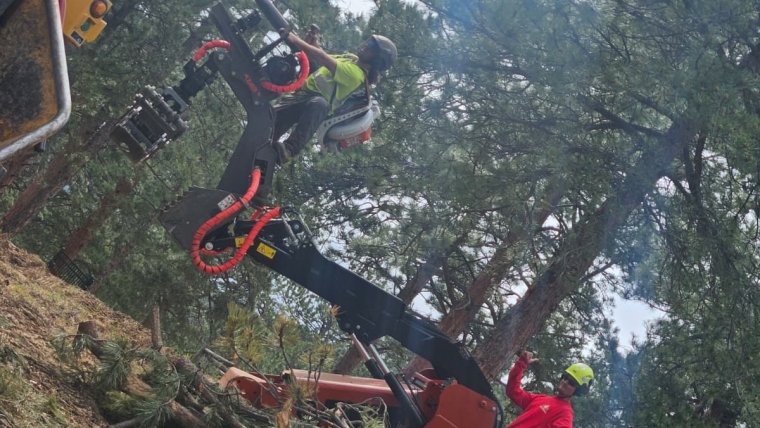
One of the most common questions homeowners ask before scheduling tree work is: how long does tree removal take? The answer depends on several factors, including the size of the tree, its location, surrounding obstacles, and overall condition.
Some tree removals can be completed in a few hours. Others may take a full day or longer. Every property is different, and the complexity of the project plays a major role in the timeline.
Understanding what affects tree removal time helps homeowners prepare for the process and set realistic expectations.
Small Tree Removal Can Often Be Completed Quickly
Small trees are usually the fastest to remove. Ornamental trees or younger trees with limited canopy spread often require less equipment and labor.
In many cases, a small tree removal may take:
- 1 to 3 hours for basic removal
- Additional time for cleanup or stump grinding
If the tree is located in an open area with easy access, the process is generally straightforward.
Medium and Large Trees Take Longer
Larger trees require more planning and controlled removal methods. Height, trunk diameter, and canopy spread all affect the timeline.
A medium-sized tree may take several hours to remove. Large mature trees often require a full day of work.
The process becomes more time-consuming when crews must:
- Remove branches in sections
- Lower limbs carefully with ropes
- Avoid nearby structures or utility lines
- Work in tight residential spaces
In many Front Range communities, limited access and close property spacing can increase the complexity of removal projects.
Tree Location Has a Major Impact
The location of the tree often matters as much as its size.
A tree growing in an open yard is usually faster to remove than one located between homes, near fences, or beside garages. Trees close to roofs, patios, and power lines require extra caution.
Sloped terrain can also slow the process. In foothill or hillside areas, equipment access may be limited. Crews may need additional setup time and specialized removal techniques.
Hazardous or Storm-Damaged Trees Require Extra Care
Trees that are dead, leaning, cracked, or storm-damaged often take longer to remove safely. These trees may be unstable and require more controlled cutting methods.
Emergency tree removals can also involve:
- Hanging branches
- Split trunks
- Fallen limbs on structures
- Trees tangled in other trees
In these situations, safety becomes the top priority. Crews must stabilize the area before removal begins.
Does Cleanup Add More Time?
Yes. Cleanup is an important part of the tree removal process and affects the overall timeline.
After the tree is removed, crews typically:
- Haul away branches and debris
- Cut logs into manageable sections
- Rake and clean the area
Some homeowners choose to keep firewood or mulch material, while others prefer complete debris removal.
The larger the tree, the longer cleanup may take.
How Long Does Stump Grinding Take?
If stump grinding is included, additional time will be needed after the tree removal itself.
Most stump grinding projects take:
- 30 minutes to 2 hours for standard residential stumps
- Longer for large root systems or multiple stumps
Accessibility and soil conditions can also affect grinding time.
Weather Conditions Can Affect Scheduling
Colorado weather sometimes impacts tree removal timelines. High winds, snow, rain, or frozen ground conditions may delay work or require additional safety precautions.
Tree companies may reschedule projects if weather conditions create unsafe working environments.
Why Professional Planning Matters
Tree removal is not just about cutting down a tree. Every project involves planning, equipment setup, controlled cutting, debris management, and safety procedures.
Professional crews evaluate:
- Tree condition
- Structural risks
- Nearby obstacles
- Equipment access
- Property protection needs
This planning helps ensure the work is completed efficiently and safely.
Can Homeowners Stay During Tree Removal?
In most cases, homeowners can remain inside the home during tree removal. However, some areas around the property may need to stay clear for safety reasons.
Crews may temporarily block driveways or access points while large sections are being lowered or removed.
Some homeowners also enjoy watching the removal process from a safe distance. Tree work can be fascinating to observe, especially when cranes, rigging, or large equipment are involved. As long as customers remain outside the designated work zone and follow the crew’s safety guidance, we have no problem with them setting up lawn chairs and watching the process unfold.
Good communication before the project begins helps homeowners understand what to expect during the process.
Professional Tree Removal in Colorado
Tree removal timelines vary from project to project. Small removals may only take a few hours, while large or hazardous trees can require a full day or more.
Good People Tree Service provides professional tree removal throughout Colorado’s Front Range communities. We help homeowners safely remove hazardous, damaged, or unwanted trees while minimizing disruption to the property.
If you are planning a tree removal project and want to understand the expected timeline, contact Good People Tree Service today to schedule an evaluation.