
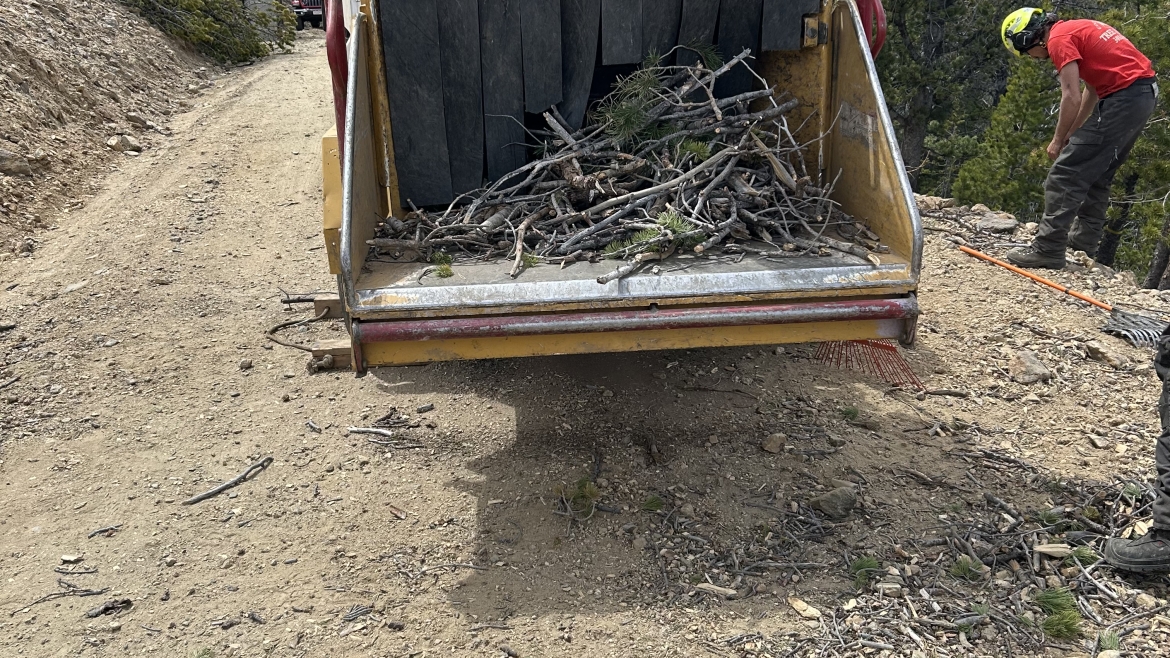
Colorado storms can arrive with little warning. Strong winds, heavy snow, hail, and sudden weather changes often leave homeowners dealing with broken branches, damaged trees, and hazardous conditions. When a tree falls or becomes unstable after a storm, quick action is important to protect both people and property.
Understanding how emergency tree removal in Colorado after a storm works can help homeowners respond safely and minimize additional damage.
Safety Comes First After Storm Damage
The first priority after a storm is safety. A damaged tree may still be unstable even if it remains standing. Cracked limbs, split trunks, and partially uprooted trees can fail without warning.
After a storm:
- Keep people and pets away from damaged trees
- Stay clear of hanging branches
- Avoid walking beneath broken limbs
- Never climb on a storm-damaged tree
If the tree is touching power lines, stay far away and contact emergency services or the utility company immediately.
Assess the Situation From a Safe Distance
Once the area is secure, inspect the property carefully. Look for obvious hazards such as:
- Fallen trees on structures
- Large broken limbs
- Split trunks
- Trees leaning toward buildings
- Blocked driveways or walkways
- Damage near utility lines
Take photographs if possible. This documentation may be useful for insurance purposes later.
Why Trees Fail During Colorado Storms
Colorado’s Front Range weather creates unique challenges for trees. High winds and heavy, wet snow can place significant stress on branches and trunks.
Storm damage often affects trees that already have underlying issues, such as:
- Deadwood
- Internal decay
- Poor branch attachment
- Root damage
- Structural imbalance
- Drought stress
In many cases, storms expose weaknesses that have been developing for years.
When Emergency Tree Removal Is Necessary
Not every storm-damaged tree needs to be removed. Some trees can recover with corrective pruning and professional care.
However, emergency removal may be necessary when:
- The tree has fallen completely
- The trunk is severely split
- The root system is unstable
- Large sections of the canopy have failed
- The tree threatens structures or vehicles
- Public safety is at risk
A professional evaluation helps determine whether the tree can be saved or should be removed.
Avoid DIY Tree Removal
Many homeowners are tempted to clear fallen trees themselves after a storm. While small debris may be manageable, large trees and damaged limbs can be extremely dangerous.
Storm-damaged trees often contain hidden tension and unpredictable movement. Improper cutting techniques can lead to serious injuries or additional property damage.
Professional tree crews use specialized equipment and controlled removal methods to safely manage hazardous situations.
What Emergency Tree Services Typically Include
Emergency tree service companies respond to a wide range of storm-related situations.
Services often include:
- Emergency tree removal
- Fallen limb removal
- Hazard stabilization
- Storm damage cleanup
- Emergency pruning
- Debris hauling
The goal is to remove immediate hazards and restore safety as quickly as possible.
Insurance and Storm-Damaged Trees
If a tree damages a structure, vehicle, or other property, homeowners should contact their insurance provider as soon as possible.
Before cleanup begins:
- Document the damage with photos
- Save any relevant records
- Contact your insurance company
- Follow claim instructions
Insurance coverage varies depending on the policy and the circumstances surrounding the storm event.
Stump Grinding After Emergency Removal
When a storm-damaged tree requires full removal, many homeowners also choose stump grinding.
Removing the stump helps:
- Improve appearance
- Restore usable space
- Prepare for future landscaping
- Eliminate obstacles in the yard
Stump grinding is often completed after the emergency situation has been resolved.
Reducing Future Storm Damage
While no tree is completely storm-proof, regular maintenance can reduce the risk of major failures.
Preventative care may include:
- Structural pruning
- Deadwood removal
- Canopy thinning
- Tree health evaluations
- Monitoring for decay or weakness
Well-maintained trees are generally more resilient during severe weather events.
Professional Emergency Tree Removal in Colorado
Storm damage can create urgent and potentially dangerous situations. Fast, professional response helps protect both property and people while preventing further damage.
Good People Tree Service provides emergency tree removal in Colorado after storms, serving homeowners throughout the Front Range region. Our team responds quickly to hazardous situations and helps property owners safely manage storm-damaged trees.
If a storm has damaged trees on your property, contact Good People Tree Service today for professional emergency assistance.