
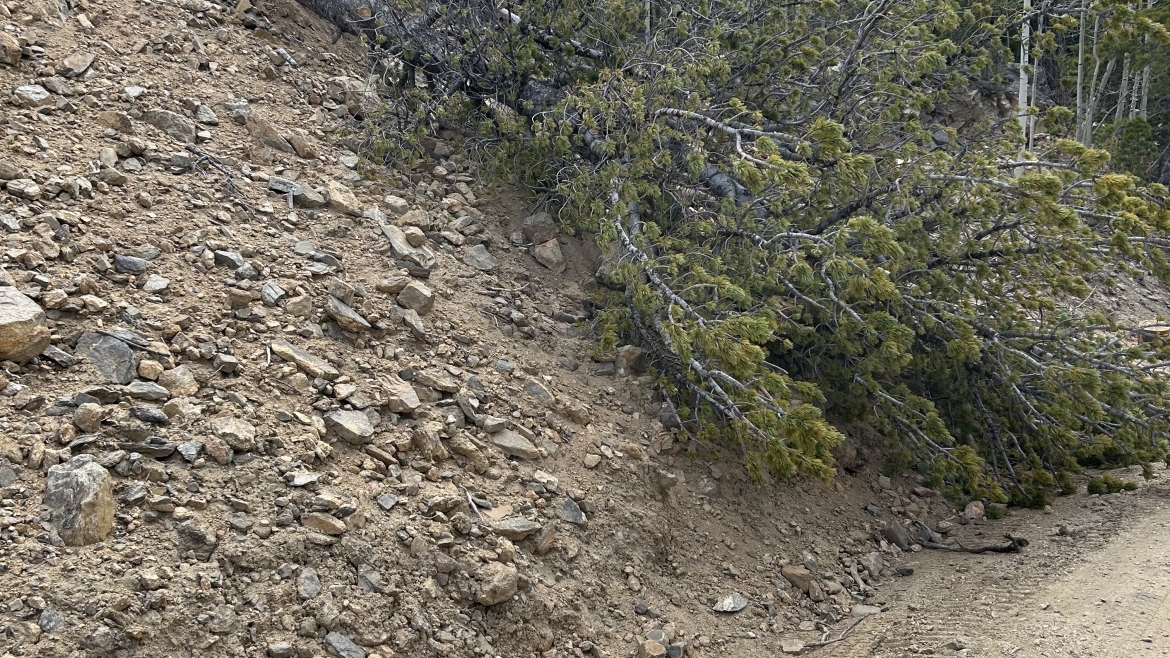
How often should mature trees be inspected? For most Colorado homeowners, the simple answer is at least once a year, plus after major storms, high winds, heavy snow, or visible changes in the tree. Mature trees are valuable, but they also carry more weight, larger limbs, deeper structural history, and greater potential risk if something fails.
A young tree may bend, recover, and keep growing. A mature tree is different. It may have decades of old pruning cuts, storm wounds, internal decay, root stress, or heavy limbs extending over roofs, driveways, fences, and sidewalks.
That does not mean mature trees are automatically dangerous. In fact, mature trees are often some of the most valuable parts of a property. They provide shade, cooling, privacy, beauty, wildlife habitat, and curb appeal. But because they are large and complex, they deserve regular attention.
In Colorado, tree inspections matter even more. Trees along the Front Range deal with dry soils, drought stress, strong winds, wet spring snow, construction pressure, and rapid temperature changes. These conditions can turn small defects into serious problems over time.
If a mature tree is close to your home, garage, sidewalk, driveway, or outdoor living area, Good People Tree Service can inspect it and help you understand whether pruning, monitoring, or removal is needed.
Why Mature Trees Need Regular Inspections
Mature trees often look stable because they have been standing for years. That can create a false sense of security.
A tree may survive many seasons before showing obvious symptoms. Root damage may develop slowly. Decay may spread inside the trunk. Branch unions may weaken over time. Deadwood may increase gradually.
The issue is not only whether the tree is alive. The issue is whether the tree is structurally sound.
A mature tree inspection helps identify:
- Dead branches
- Weak branch unions
- Trunk cracks
- Root problems
- Fungal growth
- Cavities
- Leaning
- Canopy thinning
- Storm damage
- Soil compaction
- Pest or disease pressure
- Branches over structures
Some of these signs are easy to miss from the ground. Others may seem minor until a storm exposes them.
Colorado State University Extension advises removing dead branches larger than two inches in diameter and higher than thirty feet to reduce risk if the branch fails. That is a practical reminder that mature tree risk is often about branch size, height, and location, not just overall tree health.
How Often Should Mature Trees Be Inspected?
How often should mature trees be inspected depends on age, condition, species, location, and nearby targets. A healthy mature tree in an open area may not need the same schedule as a declining tree over a house.
For most homeowners, a good schedule is:
- Once per year for mature trees near homes or high-use areas
- After severe wind, snow, or hail
- After construction near the root zone
- After sudden leaning or canopy thinning
- Before major pruning decisions
- Before buying or selling a property
- When large branches begin dying back
Annual inspections are especially useful because tree problems often develop slowly. One inspection creates a baseline. Future inspections show whether the tree is stable, improving, or declining.
Trees in higher-risk areas should be inspected more often. This includes trees near streets, sidewalks, schools, parking areas, outdoor seating areas, playgrounds, and homes.
Some municipal tree risk guidance notes that high-traffic or high-risk trees are often assessed annually or after severe weather. Residential trees near important structures deserve similar attention.
Mature Trees Are Valuable Assets
Regular inspections are not only about avoiding problems. They are also about protecting value.
The U.S. Forest Service notes that trees provide significant environmental and financial benefits. According to Forest Service materials, 100 mature trees can catch about 139,000 gallons of rainwater per year and remove 53 tons of carbon dioxide plus 430 pounds of other air pollutants per year.
That kind of value takes time to grow. A large shade tree cannot be replaced quickly.
Research on urban trees has also found strong returns on tree care investment. A USDA Forest Service study of California street trees estimated annual ecosystem service benefits of about $110.63 per tree, with $5.82 in benefits returned for every $1 spent on management.
The exact numbers vary by region and species. But the principle still applies in Colorado: mature trees are worth maintaining.
A neglected mature tree may become expensive only after something goes wrong. A well-managed mature tree can provide benefits for decades.
Why Colorado Weather Raises Inspection Needs
Colorado weather places unusual stress on mature trees.
Strong winds can twist large limbs. Heavy spring snow can load the canopy with sudden weight. Dry summers can weaken roots. Rapid temperature swings can stress branches and bark.
These weather patterns matter because mature trees have larger canopies and heavier limbs. A small structural defect can become more serious when weather adds force.
Common Colorado-related risks include:
- Snow-loaded branches
- High wind limb failure
- Drought-related canopy thinning
- Root stress from dry soil
- Freeze-thaw damage
- Storm cracks
- Broken branches that remain hanging
- Increased pest pressure after drought
A mature tree may handle these conditions for years. But each stress event can leave behind damage.
That is why inspections after major weather events are so important. The tree may still be standing, but it may not be unchanged.
If a mature tree looks different after a storm, Good People Tree Service can evaluate the damage before the next weather event makes it worse.
What Happens During a Mature Tree Inspection?
A mature tree inspection is more than a quick look at the leaves.
A professional may evaluate the tree from the ground and look at the full site. The International Society of Arboriculture describes tree inspection protocols as systematic. Inspectors often view the tree from top to bottom and move around it to evaluate visible conditions.
A practical inspection may include:
- Canopy condition
- Deadwood
- Branch structure
- Trunk defects
- Root flare
- Soil conditions
- Fungal growth
- Pest activity
- Past pruning wounds
- Clearance issues
- Nearby targets
- Recent site changes
The goal is not to scare the homeowner. The goal is to understand risk.
Many mature trees do not need removal. They may simply need pruning, monitoring, watering improvements, or deadwood removal.
Signs a Mature Tree Needs Inspection Soon
Some situations should not wait for an annual inspection.
Call for an evaluation if you notice:
- A new or increasing lean
- Soil lifting around the roots
- Cracks in the trunk
- Large dead limbs
- Hanging branches
- Mushrooms near the base
- Hollow areas
- Sudden canopy thinning
- Broken limbs after wind or snow
- Branches rubbing against the roof
- Bark falling off
- Repeated limb drop
- Root damage after digging
- Construction near the tree
A tree with one minor issue may be manageable. A tree with several warning signs may need faster attention.
The most important factor is location. A dead limb over an unused corner of a yard is different from a dead limb over a driveway, deck, or sidewalk.
Inspections After Storms
Storm inspections are especially important in Colorado.
After a windstorm or snowstorm, homeowners often look for obvious damage. Fallen branches are easy to see. But some damage stays in the canopy.
Look for:
- Cracked limbs
- Split branch unions
- Hanging branches
- Fresh leaning
- Broken tops
- Root movement
- Bark tears
- Canopy imbalance
A large branch can crack without falling immediately. It may remain suspended in the canopy until the next wind event.
This is one reason DIY cleanup can be risky. A homeowner may remove one visible branch while missing a larger hazard overhead.
After severe weather, a professional inspection can help determine whether the tree needs pruning, monitoring, or emergency work.
Inspections After Construction or Landscaping
Construction is another reason to inspect mature trees.
A tree can be damaged even if the trunk is never touched. Roots may be cut, compacted, buried, or exposed during property work.
Common projects that affect mature trees include:
- Driveway replacement
- Fence installation
- Patio construction
- Utility trenching
- Irrigation work
- Grading
- Retaining wall installation
- Sidewalk repair
- Heavy equipment access
Root damage may not show symptoms right away. The tree may decline months or years later.
If work has happened near a mature tree, an inspection can help identify stress before it becomes a larger problem.
How Inspections Help Prevent Emergency Removal
Emergency tree removal is often more expensive and stressful than planned work.
When a tree is inspected regularly, problems can often be addressed before they become urgent.
For example:
- Deadwood can be removed before it falls.
- Weak limbs can be reduced before storm season.
- Root stress can be monitored.
- Decay can be evaluated.
- A hazardous tree can be removed under controlled conditions.
Planned work gives crews better access and more control. Emergency work often happens after the tree has already damaged something or become unstable.
This is one of the biggest financial benefits of mature tree inspections. They help homeowners avoid surprises.
Mature Trees Near Homes Need More Attention
Location changes everything.
A mature tree in the middle of a large open property may pose less risk than a similar tree next to a home. When large limbs hang over structures or high-use areas, the consequences of failure are higher.
Trees near these areas should be inspected more carefully:
- Roofs
- Garages
- Driveways
- Sidewalks
- Patios
- Decks
- Fences
- Play areas
- Outdoor seating areas
- Utility lines
Even a healthy tree can create maintenance concerns if branches are too close to the house. Regular pruning may reduce roof contact, improve clearance, and manage canopy weight.
Inspections for Older Shade Trees
Older shade trees deserve special attention because they often carry long histories.
They may have:
- Old pruning wounds
- Storm scars
- Heavy lateral limbs
- Internal decay
- Compacted soil
- Root competition
- Drought stress
- Past construction damage
These issues may not require removal. But they should be monitored.
A large mature shade tree can be a major property asset. Regular inspection helps preserve that asset safely.
What Homeowners Can Check Between Inspections
Homeowners do not need to become arborists. But they can watch for changes.
Between professional inspections, look for:
- New dead branches
- Sudden leaf thinning
- Early fall color
- Mushrooms near the trunk
- Cracks in bark or wood
- Soil lifting near roots
- Branches touching structures
- Unusual insect activity
- Broken limbs after storms
Take photos once or twice a year from the same angle. This makes it easier to notice gradual changes.
If something changes suddenly, do not wait for the next annual inspection.
Can Inspections Save a Mature Tree?
Often, yes.
A mature tree with a problem does not always need removal. Early detection may allow for corrective pruning, deadwood removal, improved watering, mulching, or monitoring.
The earlier a problem is found, the more options may exist.
For example, a weak limb may be reduced before it breaks. A drought-stressed tree may recover with better watering. A tree with limited deadwood may remain safe with maintenance.
But if problems are ignored, the tree may decline to the point where removal becomes the only safe option.
Good People Tree Service can help homeowners decide whether a mature tree can be preserved or should be removed for safety.
When Removal May Be Recommended
Removal may be recommended when a mature tree is no longer structurally safe.
This may include:
- Severe trunk decay
- Major root failure
- Large cracks
- Serious lean toward a structure
- Repeated large limb failure
- Advanced disease
- Severe canopy dieback
- Storm damage beyond recovery
The goal is not to remove trees unnecessarily. The goal is to prevent damage and injury when a tree cannot be managed safely.
A professional inspection helps homeowners make that decision with more confidence.
Final Thoughts
How often should mature trees be inspected? For most Colorado properties, annual inspection is a smart baseline. Trees near homes, sidewalks, driveways, or high-use areas may need more frequent attention. Trees should also be checked after major wind, snow, construction, or visible changes.
Mature trees are valuable. They provide shade, beauty, cooling, and long-term property benefits. But their size also means that defects can have serious consequences.
Regular inspections help protect both the tree and the property around it.
Good People Tree Service helps Colorado homeowners evaluate mature trees, identify risks, plan pruning, and determine when removal is necessary.
If you have a mature tree that has not been inspected recently, schedule an evaluation before the next major storm season.