
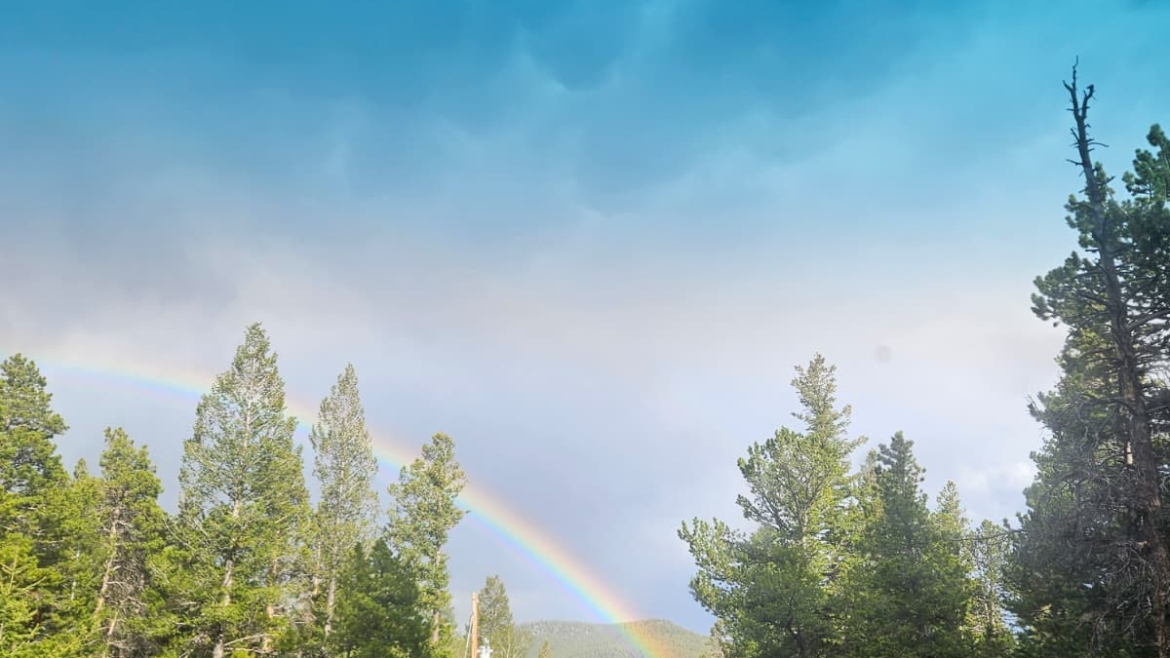
Tree removal in Boulder, Colorado is not always as simple as cutting down a tree. Depending on the location, size, species, and condition of the tree, homeowners may need approval or permits before removal can begin. Boulder places a strong emphasis on urban forestry, environmental preservation, and neighborhood canopy protection, which is why certain trees are regulated under local requirements.
Understanding tree removal permits in Boulder helps property owners avoid delays, unexpected fines, and compliance issues during tree work projects.
Do You Need a Permit to Remove a Tree in Boulder?
In some situations, yes. Boulder may require permits or city approval before removing certain protected trees. Permit requirements often depend on:
- Tree size
- Tree species
- Property location
- Historic district regulations
- Development or construction activity
- Public right-of-way placement
Trees located on private residential property may not always require permits, but there are important exceptions.
Properties connected to redevelopment, construction, commercial projects, or regulated zoning areas often face stricter tree protection rules.
Why Boulder Regulates Tree Removal
Boulder places significant value on maintaining its urban tree canopy. Trees provide environmental and community benefits such as:
- Shade and cooling
- Stormwater management
- Wildlife habitat
- Air quality improvement
- Neighborhood appearance
- Long-term property value
Because of this, the city may regulate the removal of mature or protected trees in certain circumstances.
The goal is not necessarily to prevent removals entirely. Instead, regulations help ensure tree loss is evaluated carefully and replacement planning is considered when appropriate.
Trees in Public Areas Usually Require Approval
Trees located in public spaces typically require city authorization before removal or major pruning work can occur.
This may include trees located:
- Along streets
- Near sidewalks
- In parks or open spaces
- Within public easements
- In rights-of-way
Homeowners should avoid removing or heavily pruning public trees without confirming local requirements first.
Construction Projects Often Trigger Tree Protection Rules
Tree permits become especially important during construction or redevelopment projects.
If excavation, grading, driveway work, or building expansion affects protected trees, the city may require:
- Tree protection plans
- Arborist evaluations
- Replacement planting
- Removal permits
- Root zone protection measures
This is common during larger residential remodels and commercial development projects in Boulder.
Dead or Hazardous Trees May Still Need Documentation
Homeowners sometimes assume hazardous trees can always be removed immediately without approval. In some cases this is true, especially during emergencies. However, documentation may still be required.
If a tree is dead, structurally unstable, diseased, or poses an immediate safety risk, a professional assessment may help support the removal process.
Cities often distinguish between:
- Healthy protected trees
- Declining trees
- Immediate hazards
- Storm-damaged trees
Emergency situations involving fallen or actively dangerous trees are usually handled differently from standard removals.
How the Permit Process Usually Works
The exact process varies depending on the property and project scope, but tree removal permits often involve:
- Submitting an application
- Providing tree details or site plans
- Explaining why removal is requested
- City review or inspection
- Approval or additional requirements
Some projects may also require replacement trees or mitigation plans after removal.
Right of Way Permits for Tree Removal Work in Boulder
In many Boulder tree removal projects, the most common permit requirement is not only related to the tree itself, but also to how the work affects nearby public access areas. If tree removal requires any type of closure in the public right-of-way, a Right of Way Permit may be needed.
This can include closures involving:
- A single traffic lane
- A sidewalk
- A bike lane
- A parking lane
To apply for a Right of Way Permit in Boulder, the contractor must hold a contractor’s license with the City of Boulder. In many cases, the contractor also needs to obtain a Traffic Control Plan from a licensed traffic control company before applying for the permit.
Single-lane closures typically require professional traffic control from a licensed traffic control company. Sidewalk, bike-lane, and parking-lane closures may also require advance planning depending on the location and scope of the work.
Because this process involves licensing, traffic control planning, application review, permit fees, and possible traffic control costs, it should usually be started at least one week before the scheduled tree removal date. Planning ahead helps avoid delays and ensures the work can be completed safely and in compliance with Boulder requirements.
What Happens If a Tree Is Removed Without Approval?
Removing protected trees without proper authorization can lead to fines or compliance issues.
Potential consequences may include:
- Financial penalties
- Required replacement planting
- Project delays
- Additional inspections
- Code enforcement action
Because local rules can vary, it is always safer to verify requirements before scheduling major tree removal work.
Professional Tree Evaluations Can Help
Tree removal decisions are easier when homeowners understand the condition of the tree and whether local regulations apply.
Professional tree service companies can help evaluate:
- Structural stability
- Disease or decline
- Storm damage
- Safety risks
- Accessibility concerns
- Potential permit considerations
This helps property owners make informed decisions before work begins.
Tree Removal in Boulder’s Climate
Boulder’s Front Range environment creates additional challenges for trees over time. Wind exposure, drought stress, heavy snow, and rapid weather changes can weaken structure and contribute to decline.
Some trees become hazardous gradually. Others fail suddenly during storms.
Regular pruning and preventative care may help reduce the need for emergency removals later. However, some trees eventually reach a point where removal becomes the safest option.
Choosing a Professional Tree Removal Company in Boulder
Tree removal in Boulder often requires more than technical cutting skills. Property layout, nearby structures, environmental conditions, and possible permit requirements all influence the project.
Good People Tree Service provides professional tree removal, pruning, stump grinding, and emergency tree services throughout Boulder and surrounding Front Range communities.
We help property owners evaluate hazardous trees, understand project considerations, and safely manage removals in residential and commercial environments.
If you have questions about tree removal permits in Boulder or need a professional tree evaluation, contact Good People Tree Service today.