
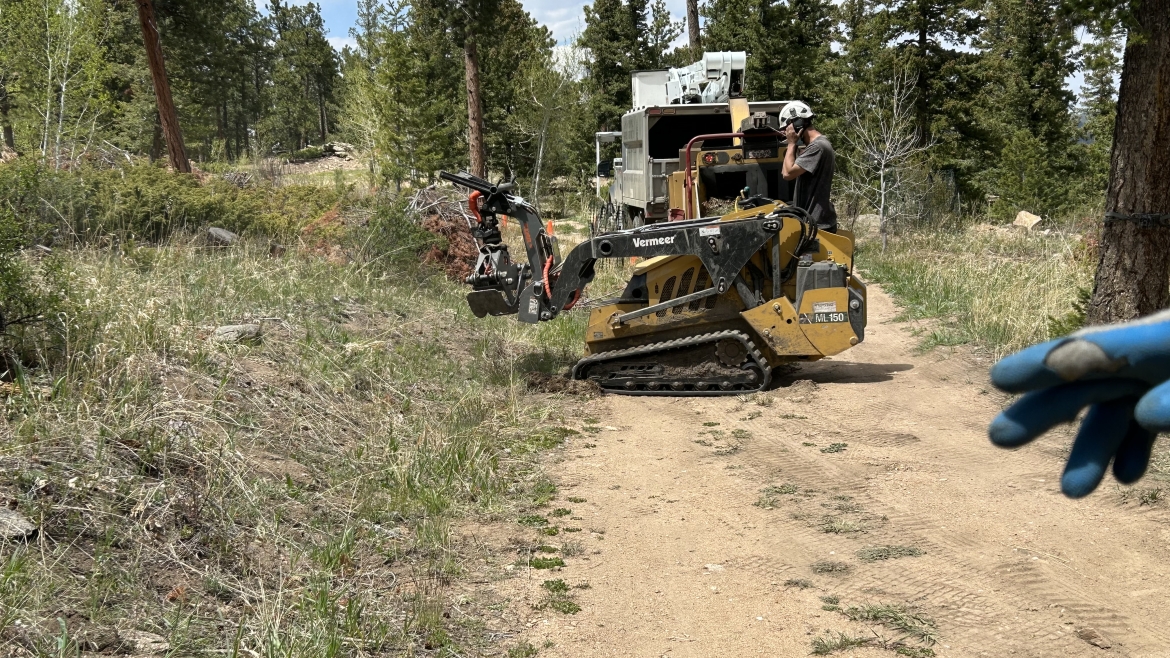
A fallen tree can create immediate stress and safety concerns for homeowners. Storms, high winds, heavy snow, and weakened trees can all cause sudden tree failure. In some situations, the damage is minor. In others, a fallen tree may block access, damage structures, or create dangerous conditions around the property.
Knowing what to do when a tree falls on your property can help you respond safely and reduce the risk of further damage.
Stay Calm and Prioritize Safety
The first step is to focus on safety. A fallen tree may still be unstable, especially if branches are under tension or partially supported by structures.
Keep people and pets away from the area. Do not walk under hanging limbs or attempt to climb on the tree.
If the tree is touching power lines, stay far away and contact emergency services or the utility company immediately. Downed power lines can remain energized even if they appear inactive.
Check for Immediate Hazards
Once the area is safe, assess the situation from a distance. Look for:
- Damage to the roof or structure
- Broken windows
- Cracked branches hanging overhead
- Blocked driveways or walkways
- Leaning or partially uprooted trees nearby
Avoid entering damaged areas until the property can be evaluated safely.
Document the Damage
Take clear photos of the fallen tree and any visible damage to the property. This documentation may help with insurance claims later.
Photograph:
- The tree itself
- Damage to structures or vehicles
- Broken fences or landscaping
- The surrounding area
It is also helpful to note the date and weather conditions when the incident occurred.
Contact Your Insurance Company
If the tree caused property damage, contact your homeowner’s insurance provider as soon as possible. They can explain the next steps and what information is needed for the claim process.
In many cases, insurance may help cover:
- Emergency tree removal
- Structural damage
- Roof repairs
- Cleanup costs
Coverage depends on the policy and the cause of the tree failure.
Avoid Attempting Large Tree Removal Yourself
Many homeowners try to remove fallen branches on their own after a storm. However, large trees and damaged limbs can be extremely dangerous without proper equipment and experience.
A fallen tree may still shift unexpectedly. Branches under pressure can spring back when cut incorrectly. Trees resting on roofs or structures create even greater risk.
Professional tree crews use controlled removal techniques designed to reduce further property damage and improve safety.
Contact a Professional Emergency Tree Service
Emergency tree service companies can evaluate the situation and safely remove hazardous trees or limbs. Fast response is especially important when:
- The tree is blocking access
- Structures are damaged
- Limbs are hanging overhead
- Utility lines are involved
- The tree remains unstable
Professional crews also help identify additional hazards that may not be immediately visible.
Understand Why Trees Fall
Trees fall for many different reasons. In Colorado’s Front Range communities, weather is one of the biggest factors. Strong winds, wet snow, and sudden storms often place stress on trees.
However, underlying structural problems also contribute to tree failure. Common issues include:
- Internal decay
- Root damage
- Drought stress
- Poor pruning history
- Weak branch attachment
- Soil instability
Sometimes a tree may appear healthy from the outside while developing hidden structural problems internally.
Should the Tree Be Fully Removed?
Not every fallen tree requires complete removal. In some situations, partial damage can be corrected with pruning and structural cleanup.
However, removal may be necessary if the tree:
- Is severely split or uprooted
- Has major trunk failure
- Poses future safety risks
- Cannot recover structurally
A professional evaluation helps determine whether the tree can be preserved safely.
Cleanup and Stump Grinding
After emergency removal, homeowners often choose additional cleanup services. This may include:
- Debris hauling
- Branch removal
- Stump grinding
- Site restoration
Removing the stump can improve appearance and restore usable yard space after the emergency work is complete.
Preventing Future Tree Problems
While storms cannot be prevented, regular tree care can reduce the likelihood of major failures.
Preventative maintenance may include:
- Structural pruning
- Deadwood removal
- Health evaluations
- Monitoring for decay or instability
- Managing canopy weight
Healthy, properly maintained trees are generally more resilient during severe weather.
Professional Emergency Tree Services in Colorado
A fallen tree can quickly become a serious safety issue. Professional removal helps protect both people and property while reducing additional risk during cleanup.
Good People Tree Service provides emergency tree removal and storm damage services throughout Colorado’s Front Range communities. We help homeowners respond safely when trees fall or become hazardous after severe weather.
If a tree has fallen on your property, contact Good People Tree Service today for professional emergency assistance.