In Colorado’s Front Range region, from Boulder and Lyons to Longmont, Golden, Arvada, and the I-70 mountain corridor, trees endure a tough combination of heavy snow load, high-altitude winds, rapid freeze-thaw cycles, and intense UV exposure. These conditions can weaken your trees over time, turning small issues into serious hazards. Below you’ll find 10 signs your trees need trimming.
Whether you live in the foothills above Golden, the suburban neighborhoods around Westminster or Arvada, along the I-70 corridor communities like Evergreen or Idaho Springs, or within the Denver Metro area, recognizing the early signs that your trees need trimming can prevent property damage and protect your family’s safety.
1. Dead or Dying Branches
Dead branches are one of the clearest signs a tree needs attention. In high-wind zones like the Front Range region, weak branches can snap unexpectedly and fall onto roofs, driveways, decks, or powerlines. Removing this deadwood early helps prevent dangerous breakage during storms or winter weather.
2. Branches Hanging Over Your House or Driveway
Overextended branches become hazardous during snowstorms and chinook wind events. Heavy snow accumulation can cause overhanging limbs to fail, while strong gusts along the canyons can send them crashing down. A trained arborist can safely thin, shorten, or remove these limbs.
3. Excessive Canopy Density
When a tree’s canopy becomes too dense, wind can’t pass through it. In areas prone to sudden high-velocity winds, like Coal Creek Canyon, the Front Range, and the foothills north of Golden, a thick canopy acts like a sail, making the tree more likely to uproot or break. Trimming helps improve airflow and reduces storm damage.
4. Branches Rubbing or Crossing Each Other
Branches that scrape against each other eventually wear away their bark, leading to open wounds and decay. At higher elevations, where humidity is low but fungal spores still thrive, this can create long-term structural weaknesses. Trimming prevents further damage and helps the tree heal.
5. Tree Limbs Near Power Lines
Mountain communities often rely on overhead service lines that run through yards and along roadways. If a tree’s limbs are touching or close to touching a power line, that’s a major safety issue. Never attempt this work yourself. A licensed tree service can trim branches safely and legally.
6. Signs of Storm Damage or Cracks in Branches
After a heavy winter, branches may show fractures, bending, or “stress cracks.” These hidden weaknesses can suddenly fail during the next snowstorm or wind event. A professional inspection can determine whether trimming or removal is necessary.
7. Trees Leaning More Than Usual
Some lean is natural, especially on mountain slopes, but a new or increasing lean is a red flag. Soil instability, root damage, or snow pressure could be the cause. Trimming may help rebalance the canopy, but often a deeper inspection is needed.
8. Trees Touching Each Other or Crowding Structures
In forest-dense areas around Boulder, Lyons, or the foothills west of Golden, overcrowding is common. Trees that grow too closely can compete for resources, shade each other out, or cause abrasion damage. Thinning and trimming help maintain a healthier stand.
9. Excessive Pine Needle or Leaf Drop Under the Canopy
A sudden increase in needle or leaf drop could signal that the canopy is stressed or too dense. Thinning and trimming allow more light and air to reach the interior branches, improving overall health and reducing fire risk, especially important in wildland-urban interface communities.
10. You Haven’t Trimmed Your Trees in Several Years
Even healthy trees need periodic trimming. In the mountain regions of Colorado, most trees benefit from trimming every 2–4 years, depending on species, elevation, and exposure. If it’s been longer than that, it’s time to schedule an assessment.
Protect Your Mountain Property Before It’s Too Late
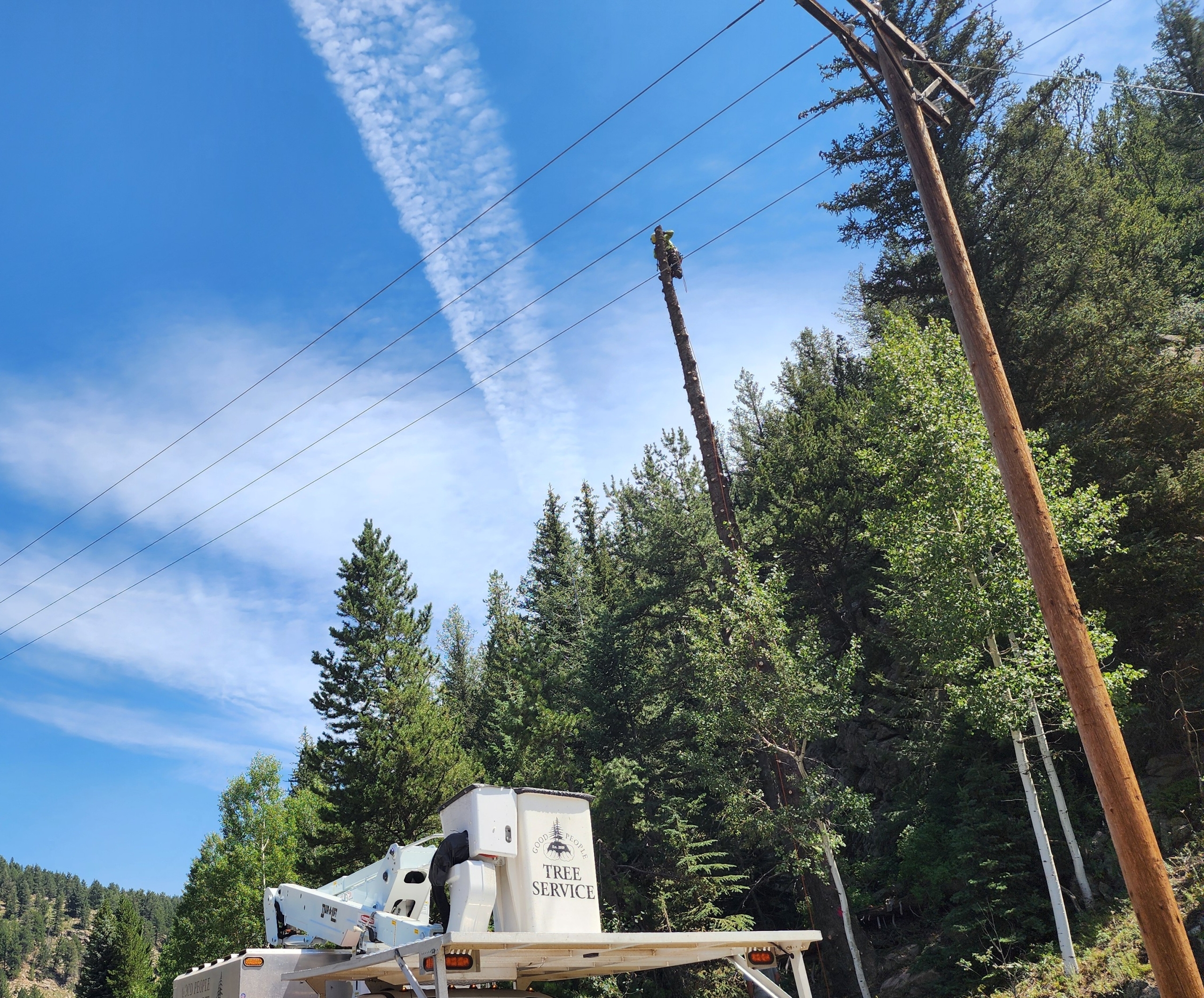
Tree issues rarely improve on their own, especially in harsh Colorado mountain climates. Tackling problems early prevents expensive damage and keeps your property safer during snowstorms and high-wind events.
Whether you’re in the Front Range, the I-70 corridor, Boulder, or Denver, there are clear signs your trees need trimming and Good People Tree Service provides expert tree trimming tailored to local conditions. We understand the unique challenges of high-elevation forests and foothill wind zones. Don’t wait for a storm to reveal a dangerous tree issue. Contact Good People Tree Service today for a professional tree assessment and trimming quote. Your safety and your property are worth it.