Tree trimming is one of the most important aspects of proper tree care, but timing matters, especially in Colorado’s Front Range. From Denver and Boulder to Arvada, Golden, Lakewood, and the foothill communities along the I-70 corridor, trees are exposed to a wide range of weather conditions throughout the year. Heavy snow, high winds, rapid temperature swings, and intense sun all play a role in when tree trimming is most effective and safest.
Understanding the best time of year for tree trimming in the Front Range helps protect your property, improves tree health, and can even reduce long-term maintenance costs.
Why Timing Matters for Tree Trimming in the Front Range
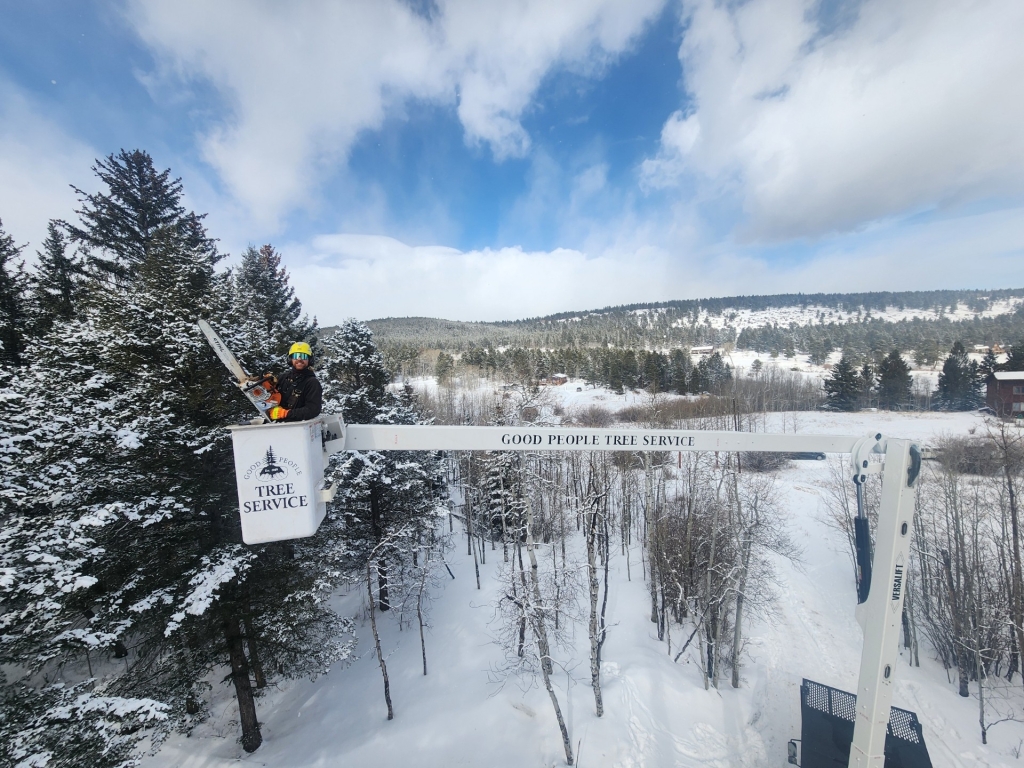
Colorado’s Front Range sits at the intersection of plains and mountains, creating unique growing conditions. Trees here must withstand dry summers, sudden spring snowstorms, and winter freeze-thaw cycles. Trimming at the wrong time can stress trees, slow recovery, or increase the risk of disease and storm damage.
Professional tree trimming done at the right time of year encourages healthy growth, strengthens branch structure, and reduces hazards caused by snow load and wind, which are common concerns for Front Range homeowners.
Late Winter to Early Spring: The Ideal Trimming Window
For most trees in the Front Range, late winter through early spring is considered the best time for trimming. During this period, trees are dormant, meaning they are not actively growing. This dormancy allows trees to recover more efficiently from pruning cuts once warmer weather arrives.
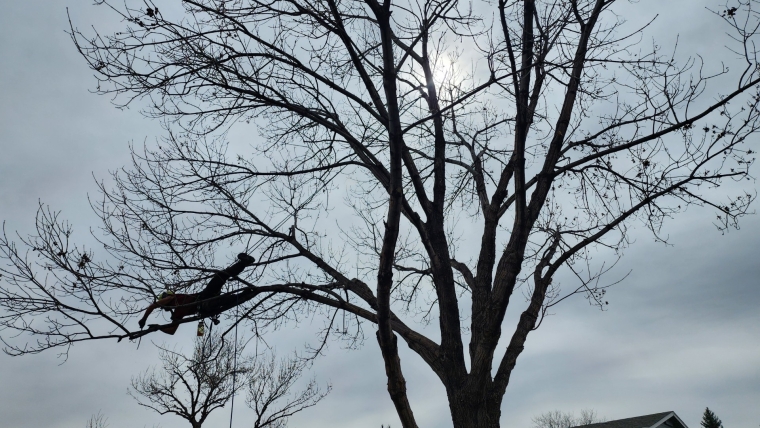
In cities like Denver, Boulder, and Westminster, trimming during late winter helps reduce the risk of broken branches during spring snowstorms and high winds. It also allows arborists to clearly see a tree’s structure without leaves, making precise and effective cuts easier.
This season is especially beneficial for deciduous trees such as maples, elms, and ash trees commonly found in Front Range neighborhoods.
Spring Tree Trimming: Timing Is Key
Early spring can still be a good time for tree trimming in Colorado, particularly before buds fully open. However, once trees enter active growth, trimming should be more selective. Over-trimming during this period can stress trees and reduce energy reserves.
Spring trimming is often used to address storm damage, remove broken limbs, or correct structural issues discovered after winter. In areas like Arvada and Lakewood, where late snowstorms are common, spring inspections are especially important.
Summer Tree Trimming: When It’s Necessary
Summer is not typically ideal for major trimming projects, but it does have its place. In the Front Range’s hot, dry climate, excessive trimming during summer can expose trees to sun stress and moisture loss.
That said, summer trimming is often necessary for safety reasons. Removing dead branches, clearing limbs away from roofs or power lines, and addressing hazardous growth can’t always wait. Summer is also a common time for emergency tree services following thunderstorms or wind events along the I-70 corridor and foothills near Golden and Evergreen.
Fall Trimming: Proceed with Caution
Fall tree trimming should generally be limited in Colorado’s Front Range. As trees prepare for dormancy, pruning can interfere with natural processes and increase vulnerability to disease or cold damage.
However, light trimming to remove deadwood or address immediate safety concerns may still be appropriate. Fall is also a good time for tree evaluations to plan trimming projects for late winter.
Winter Tree Trimming: A Hidden Advantage
Winter trimming, especially during mild Front Range winters, is often overlooked but highly effective. Frozen ground helps protect surrounding landscaping, and dormant trees respond well to pruning.
In areas like Boulder and Denver, winter trimming is commonly used to reduce snow-load risks before major storms hit. It’s also an efficient time to schedule professional services before spring demand increases.
Tree Species and Local Conditions Matter
Different tree species respond differently to trimming schedules. Evergreen trees, fruit trees, and ornamental species all have specific needs. Local conditions such as soil type, elevation, and wind exposure also influence the best timing.
That’s why working with a professional tree service familiar with the Front Range is essential. Local expertise ensures trimming is done at the right time and in the right way for long-term tree health.
Schedule Professional Tree Trimming with Good People Tree Service
Knowing the best time of year for tree trimming in Colorado’s Front Range can make a significant difference in tree health and property safety. Whether you’re planning preventative maintenance or addressing storm damage, timing and technique matter.
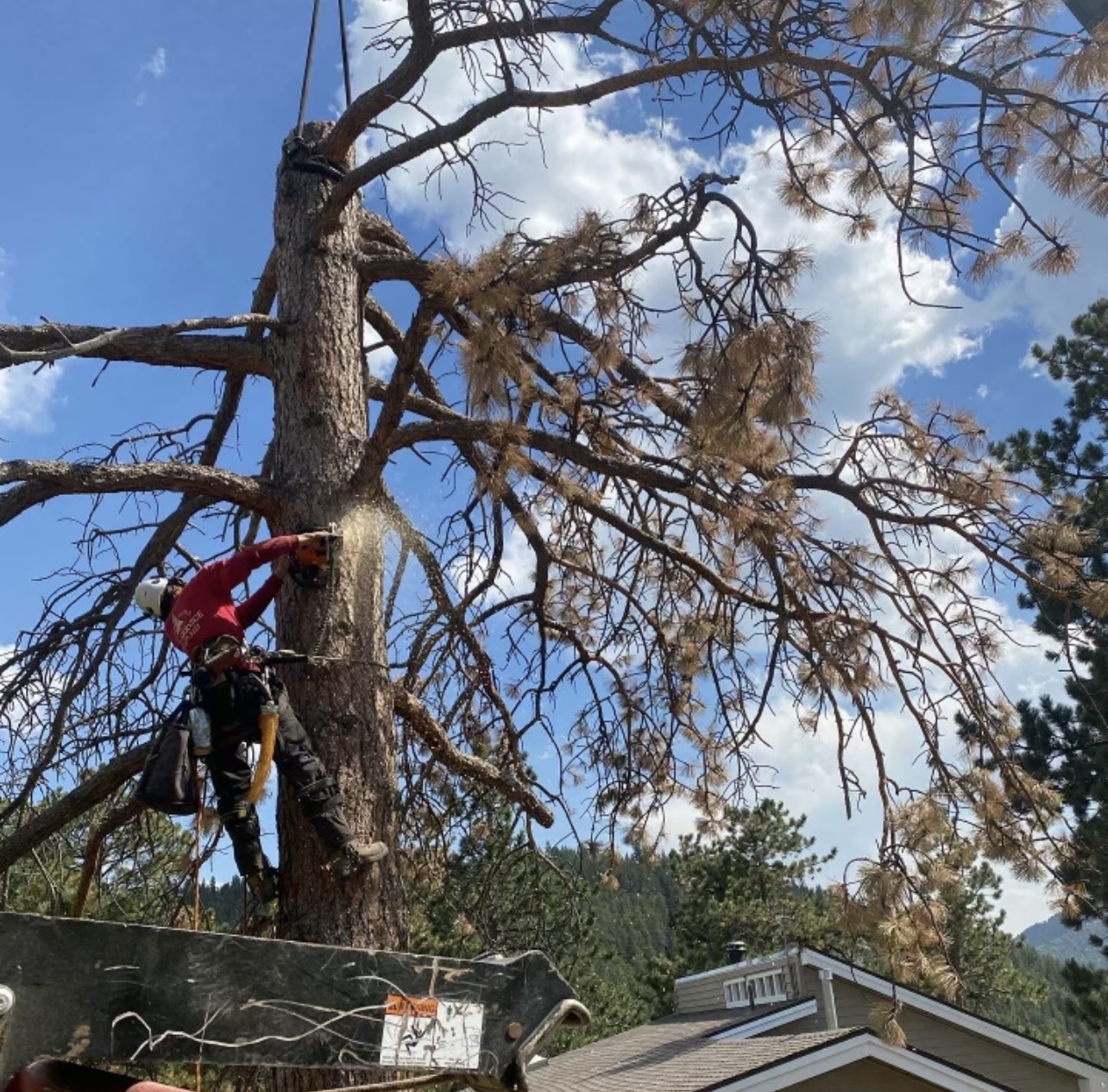
Good People Tree Service proudly serves the entire Front Range, including Denver, Boulder, Arvada, Lakewood, Golden, and communities along the I-70 corridor. Our team understands local weather patterns, tree species, and safety considerations unique to the area.Don’t wait for the next storm to expose a problem. Contact Good People Tree Service today to schedule a professional tree trimming assessment and keep your trees healthy, safe, and strong year-round.